Tree Removal Education
Removing a tree is a significant decision, and it’s not always obvious when a tree has crossed the line from “living thing worth preserving” to “liability that needs to go.” Here are the situations where tree removal is typically the right call.
The Tree Is Dead or Dying
A dead tree is a falling tree — it’s just a matter of when. Dead trees lose their structural integrity as the wood dries and decays. They become brittle, their root systems deteriorate, and they can fall without warning in moderate wind or even calm weather. If a tree on your property has no leaves during the growing season, has bark falling off the trunk, or shows signs of extensive decay, it should be evaluated for removal.
The Tree Is Structurally Compromised
Even a living tree can be dangerous if its structure is failing. Signs of structural compromise include large trunk cracks or splits, a pronounced lean that has developed recently (as opposed to one it has always had), cavities in the trunk large enough to significantly reduce structural strength, root damage from construction, grading, or soil erosion, and major limbs with included bark that could split apart in a storm.
The Tree Is Too Close to a Structure
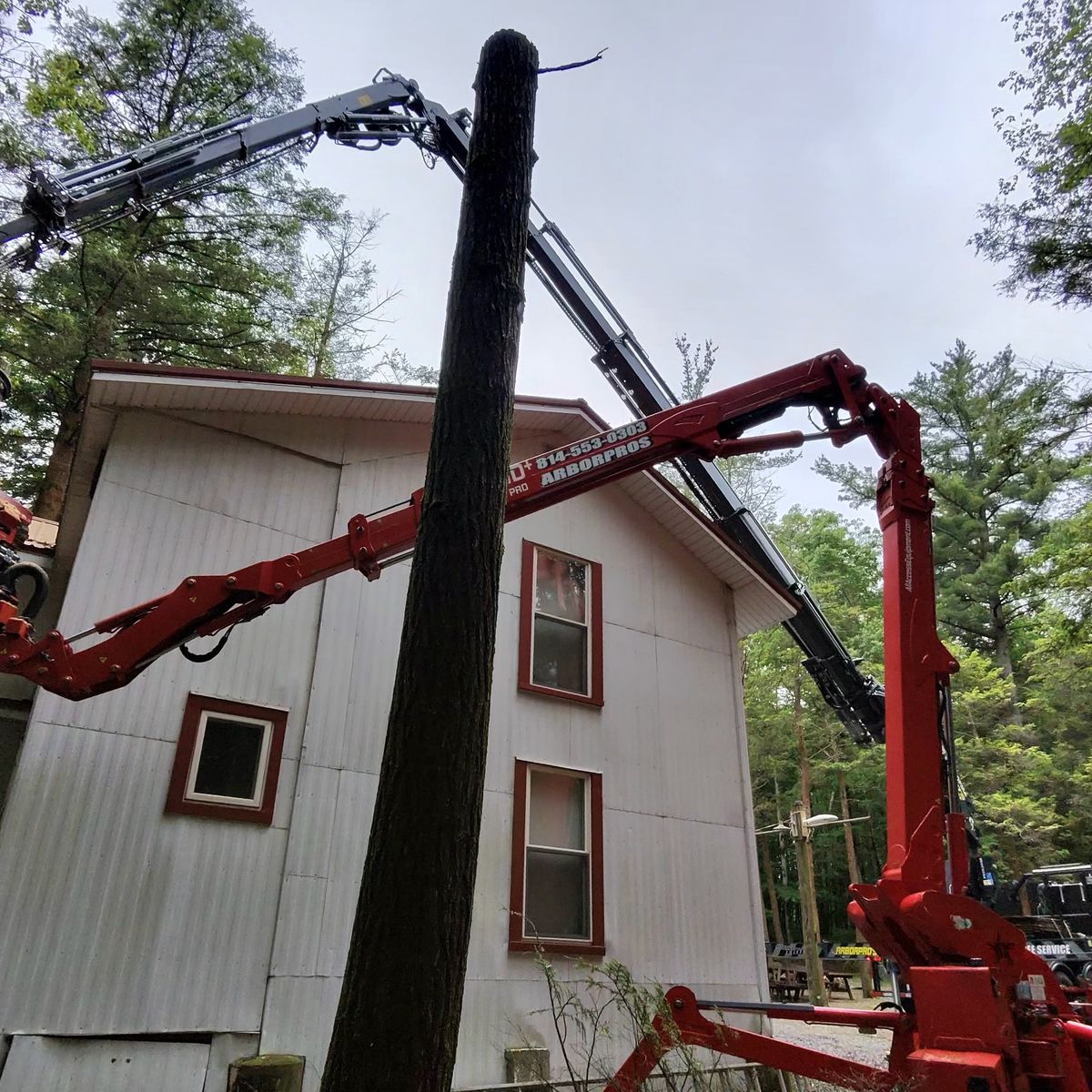
A tree growing against your foundation, pushing against your roof, or with branches that scrape your siding every time the wind blows is a candidate for removal. Root systems can crack foundations and damage underground utilities. Branches in constant contact with a roof can cause shingle damage, moisture issues, and provide a pathway for pests to enter the home.
The Tree Is Near Power Lines
Trees growing into or near power lines are a fire hazard, an outage risk, and a safety hazard to anyone near the tree. If you have a tree that is encroaching on power lines, do not attempt to trim it yourself. Contact your utility provider and call a tree service company with EHAP certification for safe removal or trimming near energized lines.
The Tree Has Been Severely Storm-Damaged
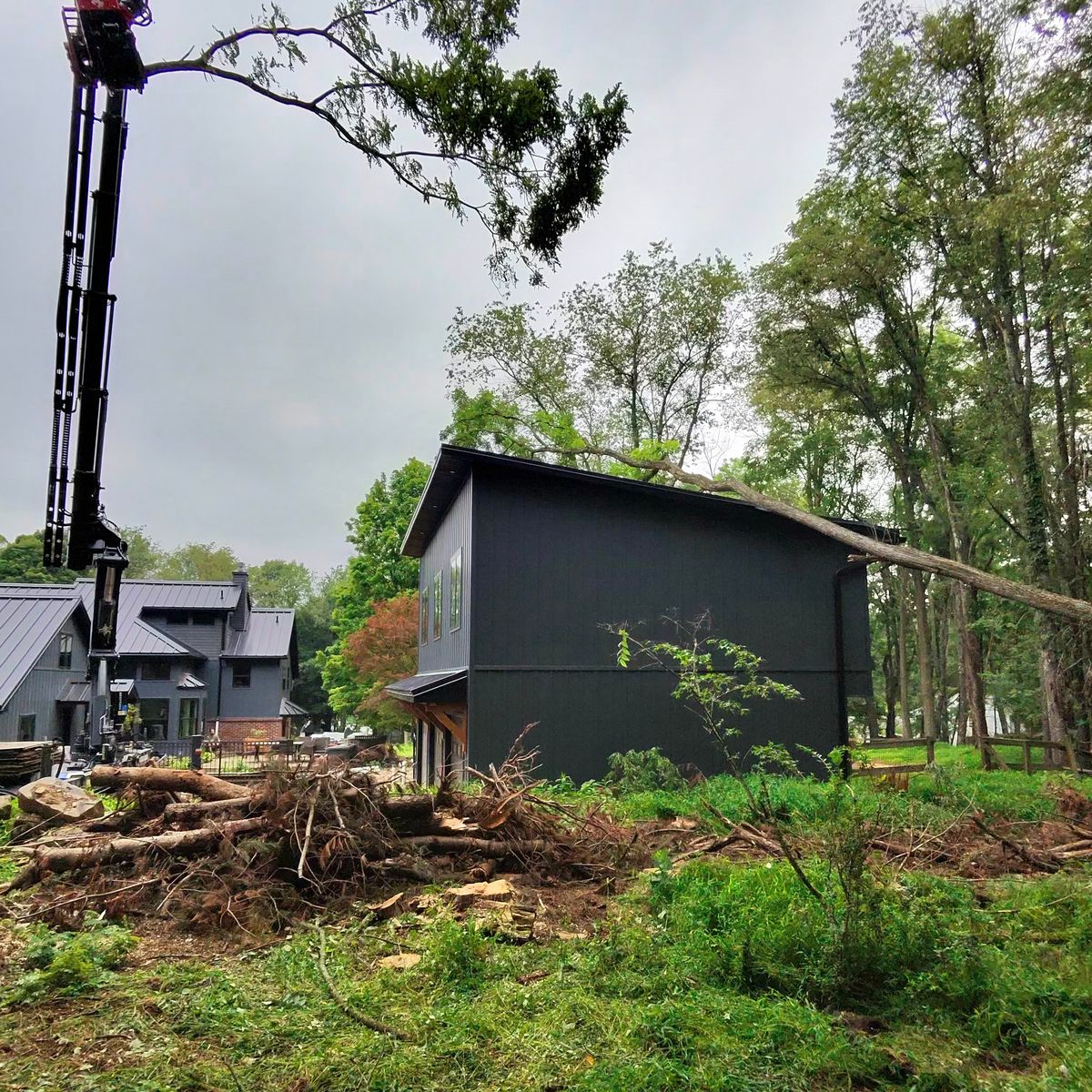
A tree that has lost more than 50 percent of its canopy in a storm, or that has had a major structural limb torn away, may not recover. Even if it survives, the damage creates entry points for decay that can weaken the tree for years to come. In many cases, removal is safer and more cost-effective than attempting to nurse a severely damaged tree back to health.
The Tree Is Causing a Problem That Can’t Be Managed
Sometimes healthy trees need to come down because they are causing ongoing problems: roots cracking a driveway or patio, excessive shade killing your lawn, heavy leaf or fruit drop that makes a mess year after year, or the tree is simply too large for the space it’s in. These are quality-of-life decisions, and a professional can help you evaluate whether pruning, root management, or removal is the best solution.
What to Expect from the Removal Process
A professional tree removal typically involves an initial assessment to evaluate the tree and plan the safest removal method, equipment setup including any necessary crane, rigging, or spider lift positioning, systematic cutting and removal of branches and trunk sections, debris removal and site cleanup, and optional stump grinding to finish the job. The entire process can take anywhere from a few hours for a small tree to a full day or more for large or complex removals.
Not sure whether your tree should be removed? Call Arbor Pro’s for a free on-site evaluation: (814) 553-0303. We serve Clearfield, Centre, Jefferson, and Elk Counties.