Tree Care Education
Understanding the basics of tree care helps you make better decisions about the trees on your property. Whether you’re trying to figure out if a tree needs to come down, wondering when the right time to prune is, or looking for ways to protect your trees during construction, these resources will help.
Arbor Pro’s Tree Service has been caring for trees across Central Pennsylvania for more than 20 years. The more you know about your trees, the better decisions you’ll make about their care — and the better we can work together to protect your property.
Tree Care Topics
Explore the following guides to learn more about caring for your trees:
Tree Pruning Education — Learn why pruning matters, when to prune different tree species, and what not to do.
Why Choose an EHAP-Certified Tree Service — What EHAP certification means, what it takes to earn it, and why it matters when hiring for work near power lines.
Tree Removal Education — How to know when a tree should be removed, and what to expect from the process.
Tree Preservation — How to protect trees during construction, grading, and landscaping projects.
Questions About Your Trees?
If you’re not sure whether a tree needs attention, call us for a free on-site evaluation. We’ll assess the tree’s health, identify any hazards, and recommend the right course of action — whether that’s pruning, treatment, monitoring, or removal.
Call Arbor Pro’s for a free assessment: (814) 553-0303.
Understanding Tree Health
Healthy trees add value to your property, provide shade that reduces energy costs, and improve air quality. But trees are long-lived organisms that can develop problems slowly over years — problems that are easy to miss until a storm reveals them. Learning to recognize the basics of tree health helps you catch issues early, when they can still be addressed with pruning or treatment rather than removal.
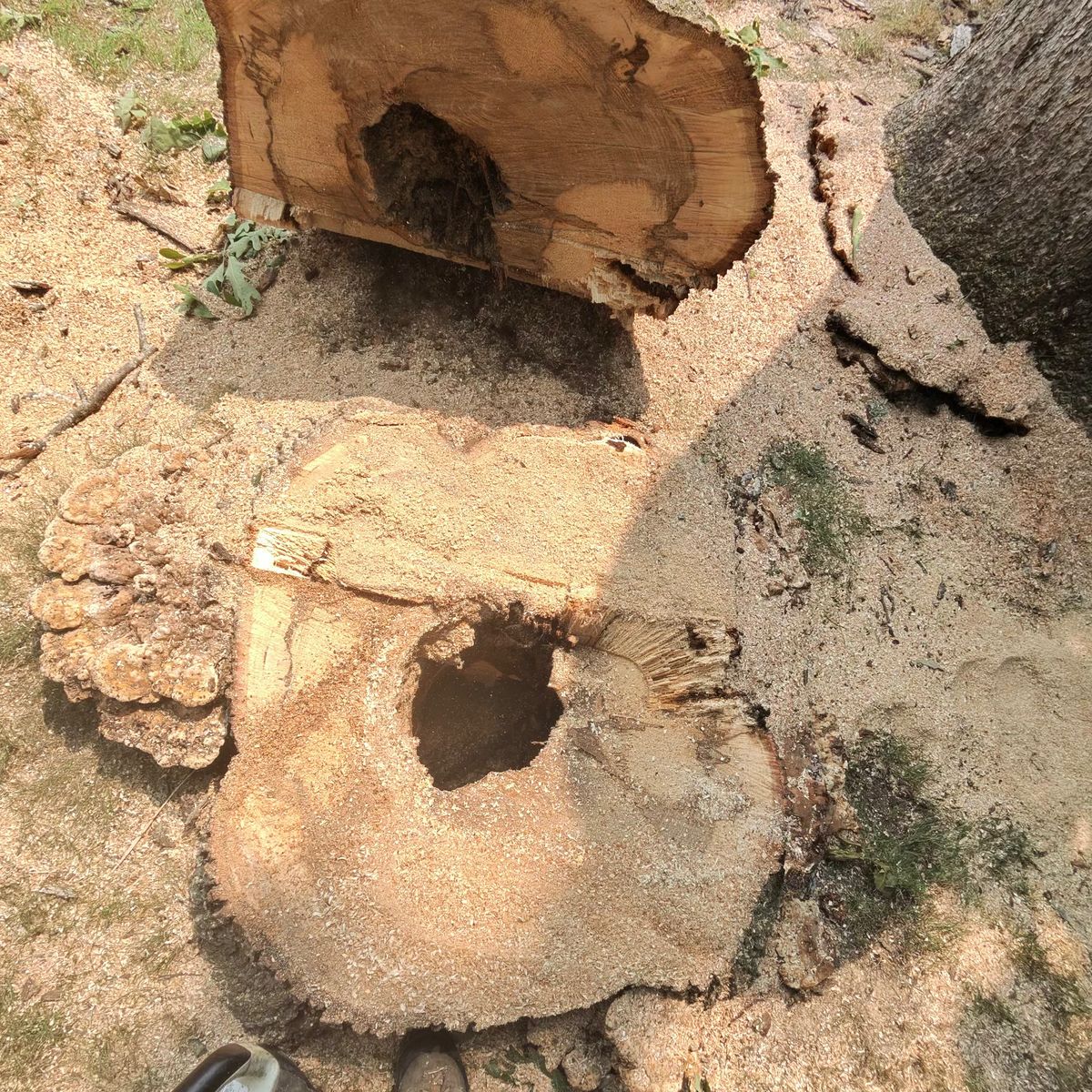
Start with the canopy. A healthy tree has a full, evenly distributed crown with leaves or needles that are the right color for the season. Thinning canopy, dead branch tips, premature leaf drop, or leaves that are discolored or undersized can all signal stress. At ground level, look at the trunk base for mushrooms, conks, or other fungal growth — these indicate decay inside the tree. Check for soil heaving or exposed roots on one side, which may mean the root system is compromised.
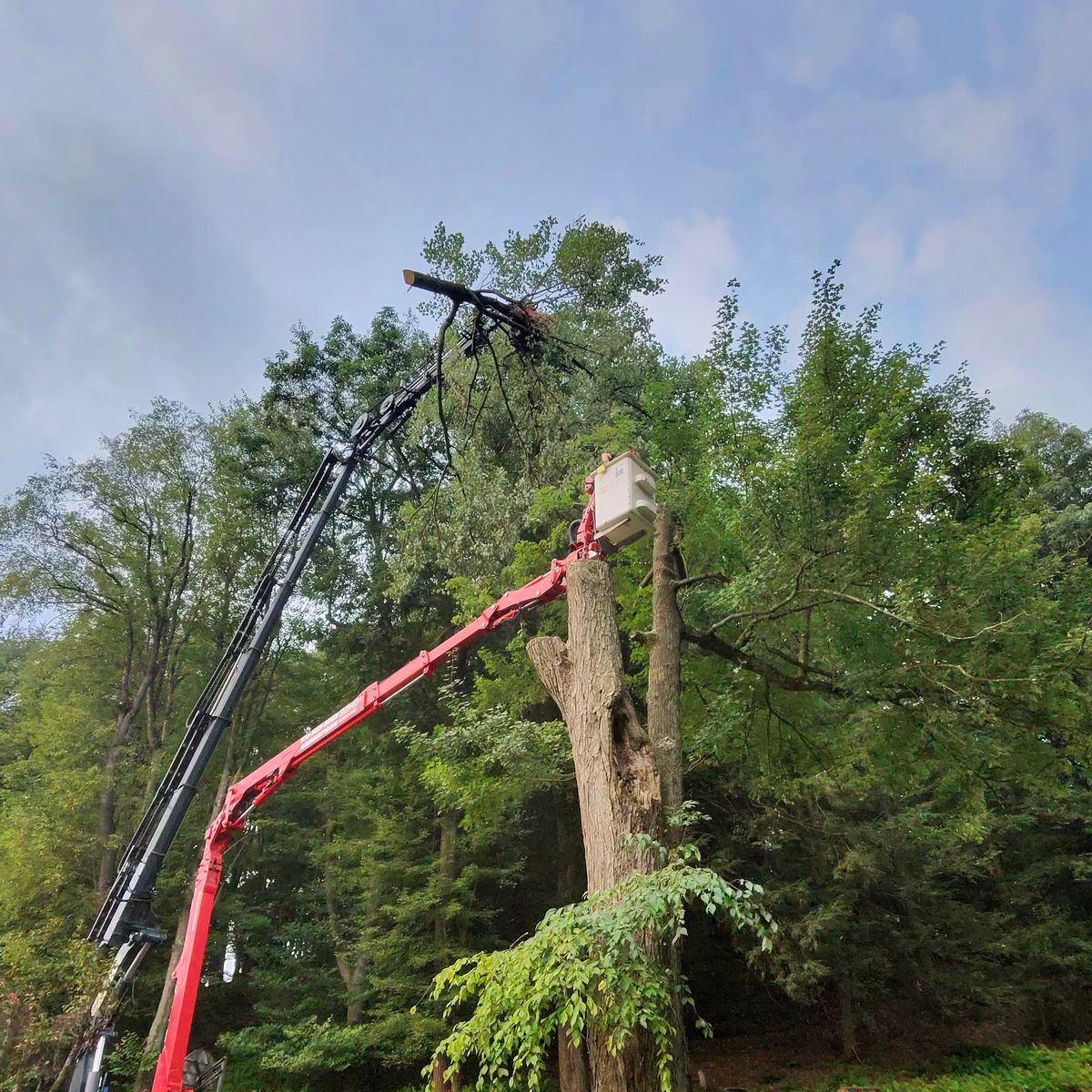
When to Act
Not every tree issue requires immediate action. A tree with a few dead branches may just need pruning. A tree that is leaning slightly may have always grown that way. But certain signs demand prompt professional evaluation: large cracks in the trunk, sudden lean, major root damage from construction, large dead limbs over the house, or a tree that has been severely damaged by a storm. For these situations, call (814) 553-0303 for an assessment.
Learn More
We have created detailed guides on the most common tree care topics Central PA homeowners ask about. Each guide covers what you need to know to make informed decisions about the trees on your property:
- Tree Hazard Warning Signs — how to tell if a tree is dangerous
- Tree Pruning Guide — when to prune, what to avoid, and when to call a pro
- When to Remove a Tree — the conditions that make removal the right choice
- Tree Preservation During Construction — protecting trees when building or renovating