Tree Preservation
Mature trees are one of the most valuable features of any property. A single large, healthy tree can add thousands of dollars to your home’s value, provide shade that reduces cooling costs, and take decades to replace if lost. When construction, renovation, or landscaping projects happen on your property, the trees around the work area are at significant risk — and the damage often doesn’t show up until months or years later.
Why Trees Are Vulnerable During Construction
The most common cause of tree death during construction is root damage. A tree’s root system extends far beyond the visible trunk — in most species, the roots spread to at least the drip line (the outer edge of the canopy) and often well beyond. When heavy equipment drives over root zones, when trenching cuts through roots, or when soil is graded and compacted around a tree, the damage to the root system can be fatal. The tree may not show symptoms for one to three years, by which time it is too late to save it.

How to Protect Trees During Construction
The most effective protection is prevention. Before construction begins, identify which trees you want to preserve and establish a tree protection zone (TPZ) around each one. The TPZ should extend to at least the drip line of the tree, and ideally farther. Install physical barriers — temporary fencing is the most common — around each TPZ and make sure every contractor on site understands that no equipment, materials, or foot traffic is permitted inside the fenced area.
Do not allow contractors to store materials, park equipment, or mix concrete within the root zone of any tree you want to keep. Concrete washout and chemical spills can kill roots and change soil chemistry. Do not allow grade changes within the TPZ — adding even a few inches of fill soil over a tree’s roots can suffocate them by reducing oxygen exchange.
If Root Cutting Is Unavoidable
Sometimes a utility trench or foundation must pass through a tree’s root zone. If this happens, the cut should be made as cleanly as possible — torn, crushed, or jagged root ends heal slowly and invite disease. Use a sharp saw or pruning tool, not a backhoe. Trench as far from the trunk as the project allows. And consult a professional arborist to evaluate whether the tree can survive the loss of roots on that side.
Soil Compaction
Heavy equipment driving over the root zone compacts the soil, eliminating the air pockets that roots need for oxygen exchange and water absorption. Compacted soil is one of the most common and least visible causes of tree decline after construction. If vehicles must cross a root zone, lay down plywood or thick mulch mats to distribute the weight and reduce compaction.
Signs of Construction Damage in Trees
Symptoms of root damage or soil compaction may not appear for months or years after the construction event. Watch for smaller-than-normal leaves, early fall color, branch dieback starting at the tips, thinning of the overall canopy, and leaning or instability. By the time these symptoms appear, the damage is already done. Early intervention gives the tree the best chance of recovery.
When to Call a Professional
If you are planning construction, renovation, or significant landscaping on a property with mature trees, a pre-construction tree assessment can identify which trees are worth preserving, which are at risk, and what protection measures are needed. After construction, a follow-up evaluation can catch early signs of damage before the tree declines beyond recovery.
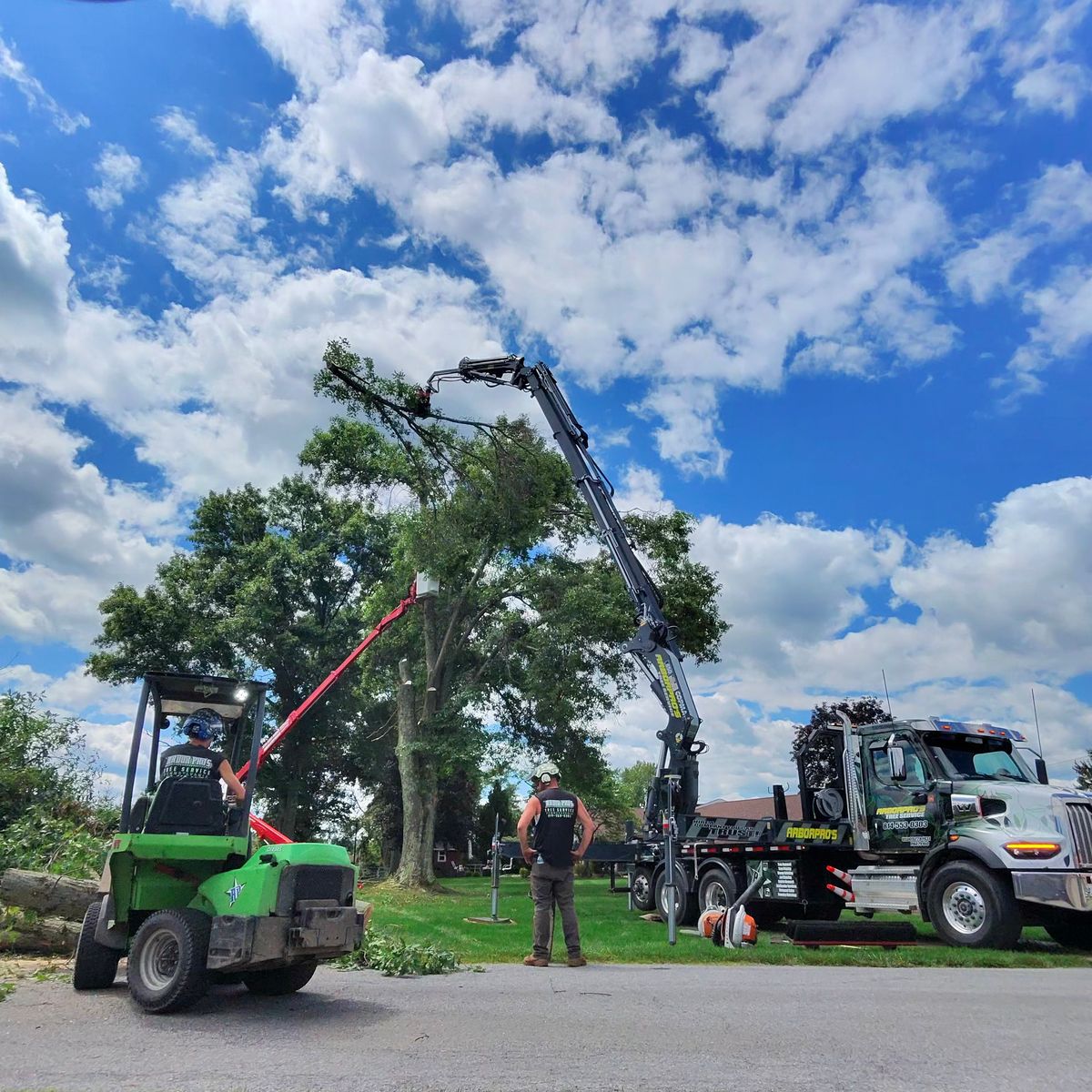
Arbor Pro’s Tree Service provides professional tree assessments for homeowners, developers, and contractors across Clearfield, Centre, Jefferson, and Elk Counties. Call (814) 553-0303 for a free consultation.